Storing Old Books at Home
The long-term preservation of private book collections requires more than just a shelf. Paper is an organic material that reacts sensitively to its environment. In a city like Vienna, with its specific climatic conditions and often historical building structures, conscious storage is essential to slow down the deterioration of leather, linen, and paper.
This guide describes the fundamental principles of preventive conservation for private collectors. The goal is to maintain the physical integrity of your volumes without the need for a professional archive.
Request Professional Repair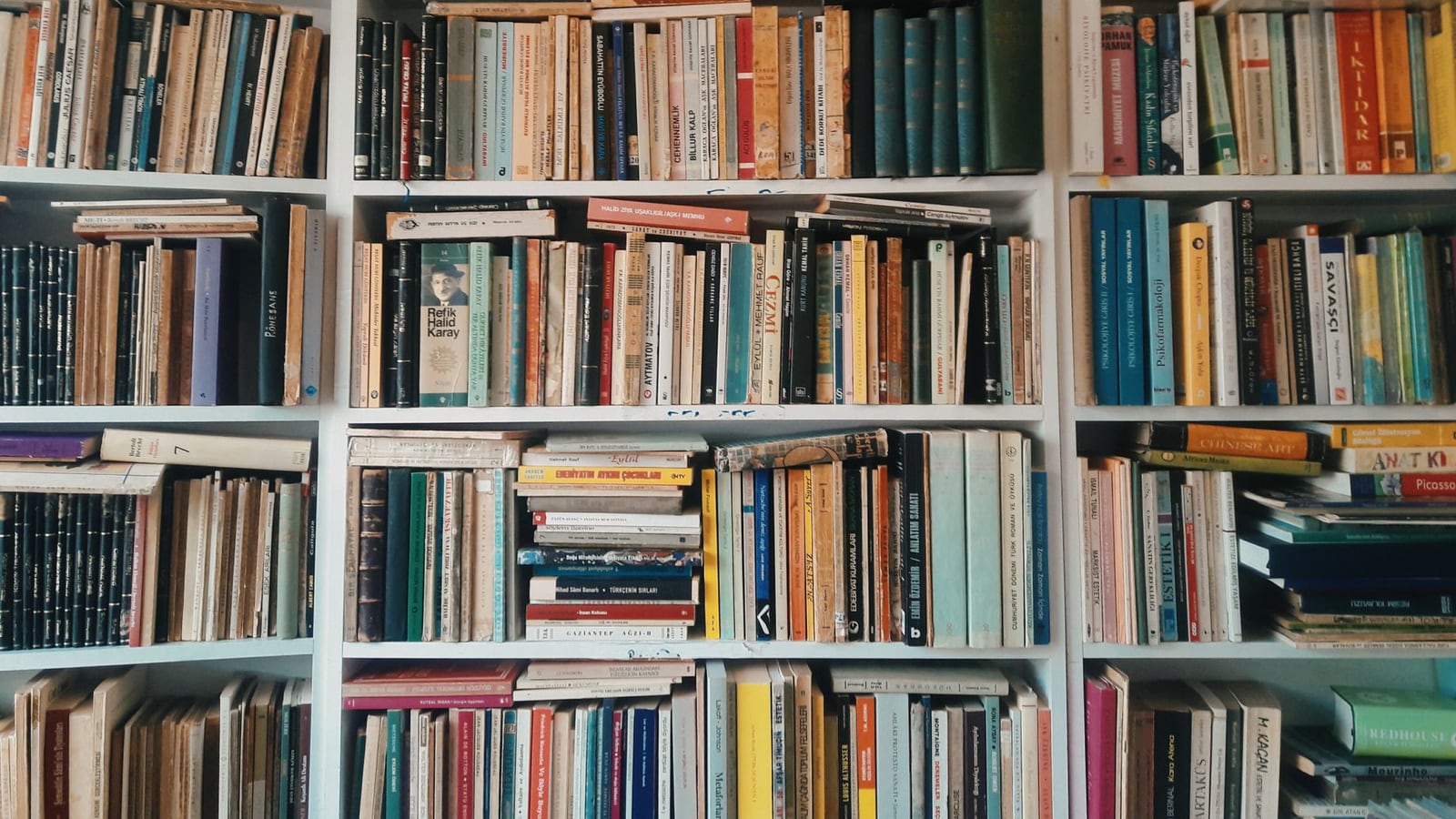
The Role of Light and UV Radiation
Light is one of the primary threats to historical paper. UV rays lead to the fading of colors and the decomposition of cellulose fibers, making the paper brittle and yellowish. Especially in the bright apartments of Vienna, the placement of shelves must be chosen strategically.
Books should never be placed in direct sunlight. A location on a north-facing wall or the use of UV-protective films on windows is recommended. If you store your collection in a room with large window fronts, regularly check whether the spines are becoming discolored due to sun exposure.
Temperature and Humidity in Viennese Altbauten
Relative humidity and temperature directly influence the growth of mold and the flexibility of bindings. A climate that is too dry leads to cracked leather bindings, while excessive humidity—often a problem in ground-floor apartments or basements in Vienna—encourages mold formation.
A stable climate is more important than a specific value. Strong fluctuations cause materials to expand and contract, which can loosen the binding. A constant room temperature of approximately 18 to 22 degrees Celsius with a humidity level of 45% to 55% is considered appropriate for private storage.
Correct Positioning on the Shelf
The way a book stands affects its lifespan. Books should stand vertically and with light pressure next to each other. If they stand too loosely, the spines may lean and warp; if they are too tight, the binding can be damaged when pulling the book out.
Particularly large or heavy folio volumes should be stored lying flat to minimize the stress on the binding. Avoid pulling books from the top edge of the spine, as this damages the stitching. Instead, carefully grasp the middle of the spine.
| Factor | Risk of Mismanagement | Recommendation |
|---|---|---|
| Sunlight | Yellowing, brittleness | Indirect light, UV filters |
| High Humidity | Mold, warping | Ventilation, dehumidifiers |
| Dust | Absorption, insects | Regular dusting, showcases |
| Positioning | Spine deformation | Vertical, moderate pressure |
Protection Against Dust and Pests
Dust is not only an aesthetic issue. It attracts moisture and provides a breeding ground for microorganisms and insects such as silverfish or bookworms. Regular but careful cleaning is therefore essential.
Use soft brushes or specialized vacuum cleaners with low suction power and protective attachments for dusting. Clean books from top to bottom so that dust does not fall into the pages. For particularly valuable pieces, acid-free polyester protective sleeves can be used.
Handling Paper and Material Contact
Frequent page-turning with unwashed hands leaves skin oils and acids on the paper, which over decades lead to brown spots. While white cotton gloves are standard in archives, many conservators today prefer clean, washed, and dried hands, as they provide a better tactile feel and reduce the risk of tearing pages.
Strictly avoid leaving bookmarks made of plastic or acidic paper (such as newspaper scraps) inside old books. These can react chemically with the paper and leave permanent imprints.
When Professional Help is Necessary
Despite proper storage, old books may show damage. If you notice pages coming loose, the cover crumbling, or a musty smell, a specialist should be consulted. Improper repair using commercial adhesive tape is irreversible and permanently damages the work.
In our workshop in Vienna, we offer professional conservation and repair to preserve the original state as much as possible. We use materials such as Japanese paper and high-quality adhesives that are reversible and meet book restoration standards.
In most Viennese basements, the humidity is too high, which leads to mold. We recommend storage in inhabited rooms with controlled ventilation.
Only if they are certified acid-free materials. Standard plastic can emit gases that damage the paper.
For further information on selecting the right binding for a new edition, visit our guide: Which Binding to Choose?
Do you have questions about your specific collection? Feel free to contact us via our contact page for individual consultation in our Vienna workshop.