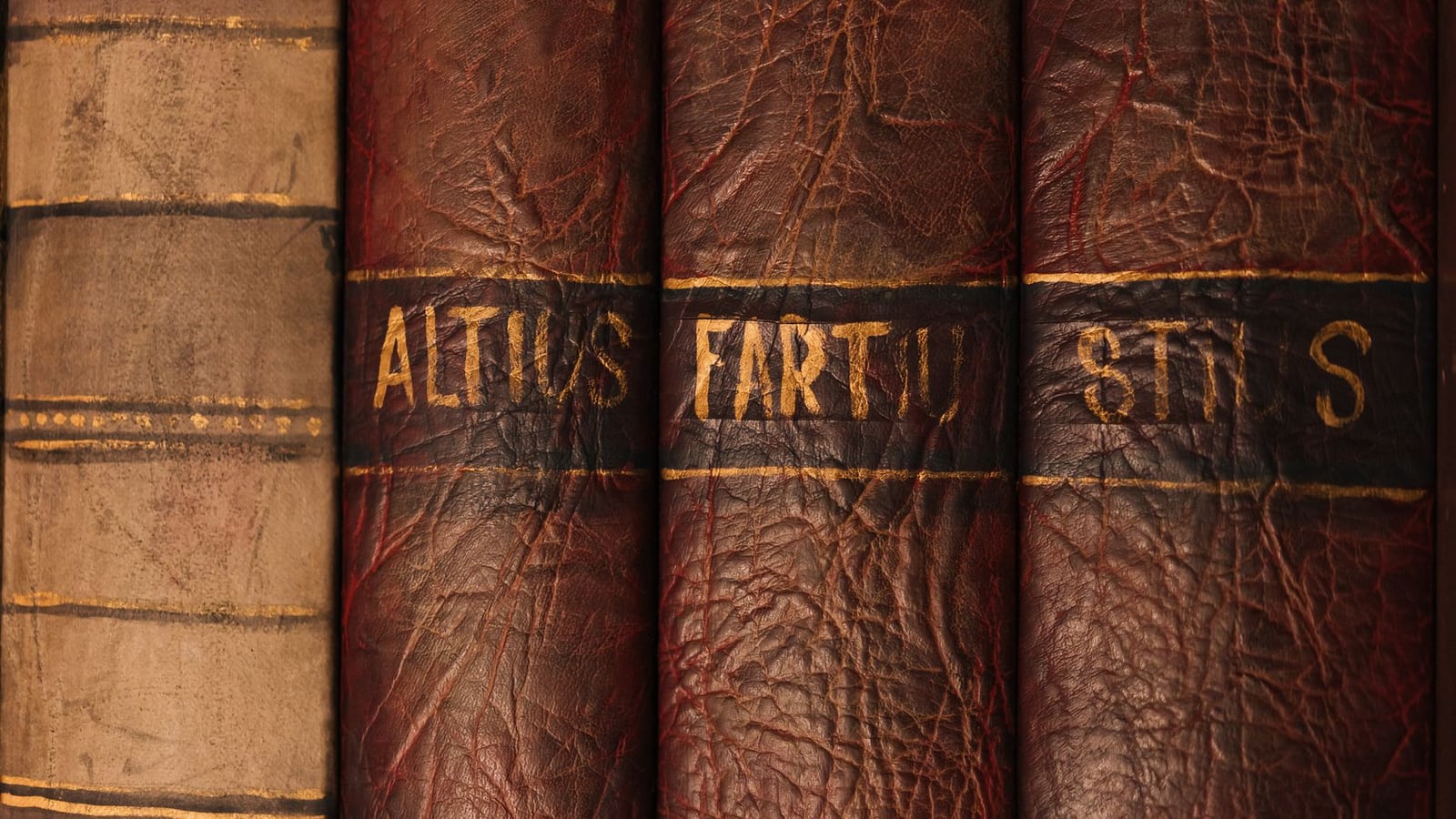
The Importance of Material Selection
In our Vienna workshop located in the Neubau district, we encounter a wide variety of requirements daily. A book intended as a reference work in a library requires different properties than a journal that is carried daily. The choice of material influences not only the appearance but also how the book ages. While synthetic materials often become brittle over time, natural fabrics such as goat leather or high-quality linen develop a characteristic patina.
When making a decision, consider three core questions: How often will the book be opened? Where will it be stored? And what is the emotional value of the content? A high-quality binding protects the paper from light, dust, and mechanical wear.
Classic Linen Binding: The Versatile Standard
Linen is one of the most common materials for bookbinding. It is robust, breathable, and available in a wide range of colors. For academic theses or technical books, linen binding is a frequent choice as it conveys a professional and serious impression without being excessively costly.
A linen binding offers a balance between stability and flexibility. In traditional bookbinding, we often use reinforced linen fabrics that do not fray even with frequent use. For clients in Vienna seeking timeless elegance, we suggest muted tones such as anthracite, dark blue, or classic beige.
Premium Leather: For Long-Term Preservation
When the goal is durability and exclusivity, leather is a primary choice. In our workshop, we mainly use goat leather, known for its fine grain and resilience. Leather bindings are suitable for high-end family albums, limited editions, or valuable manuscripts.
Leather provides significant protection against external influences and adds tactile depth to the book. The processing of a leather binding requires precision, particularly when covering the corners and embossing the title. A leather binding is not only a functional shield but a tactile experience that underlines the value of the content.
Comparing Binding Techniques
Beyond the material, the stitching technique is decisive. Thread sewing (Fadenheftung) is a high-quality method that ensures the book opens flat without pages falling out. This is particularly important for large formats or books with heavy paper.
The French binding, on the other hand, allows for an elegant appearance and high flexibility of the book spine. Depending on the objective, we select the technique that manages the mechanical stress of the book most effectively. While simple glue binding suffices for short-lived publications, we focus on durable handcrafted solutions for our clients.
| Criterion | Linen Binding | Leather Binding | Standard Hardcover |
|---|---|---|---|
| Durability | High | Very High | Medium |
| Tactile Feel | Structured | Supple | Smooth |
| Suitability | Academic, Technical | Albums, Uniques | Short-term Docs |
| Price Level | Medium | Premium | Basic |
Checklist: Which Binding Suits Your Project?
Use this list to narrow down your decision:
- Choose Linen if: You need a professional look for an academic work or a robust book for daily use.
- Choose Leather if: The book is intended to be preserved for generations or is an exclusive gift.
- Choose Standard Hardcover if: Budget is the primary concern and the book will only be used occasionally.
- Choose Custom Binding if: You want specific materials, such as Japanese paper, for artistic accents.
Storage Considerations in Vienna
The climate in Vienna, especially in the historic buildings of the 7th district, can be challenging for books due to fluctuating humidity between winter and summer. A high-quality binding made of leather or linen acts as a buffer against these fluctuations. We recommend storing books away from direct heating sources or damp cellar walls.
To extend the life of your new binding, ensure a dust-free environment. For detailed tips on the long-term conservation of your works, read our guide Storing Old Books at Home.
Conclusion and Consultation
Choosing a binding is an investment in the future of your book. Whether it is the simple elegance of linen or the enduring nature of leather, we can find a solution in our Spittelberg workshop that fits your specific requirements. We invite you to visit us in Vienna to experience the materials personally.
Do you already have a vision for your project or do you need a detailed cost estimate for a specific binding type?