Creating a Family Album: A Guide for Generations
A family album is more than a mere collection of photographs; it is a physical archive of personal history. In an era of digital saturation, the tactile book gains renewed significance, conveying permanence and appreciation. However, creating such a work requires careful planning to ensure that memories remain preserved for decades to come.
Request Custom Albums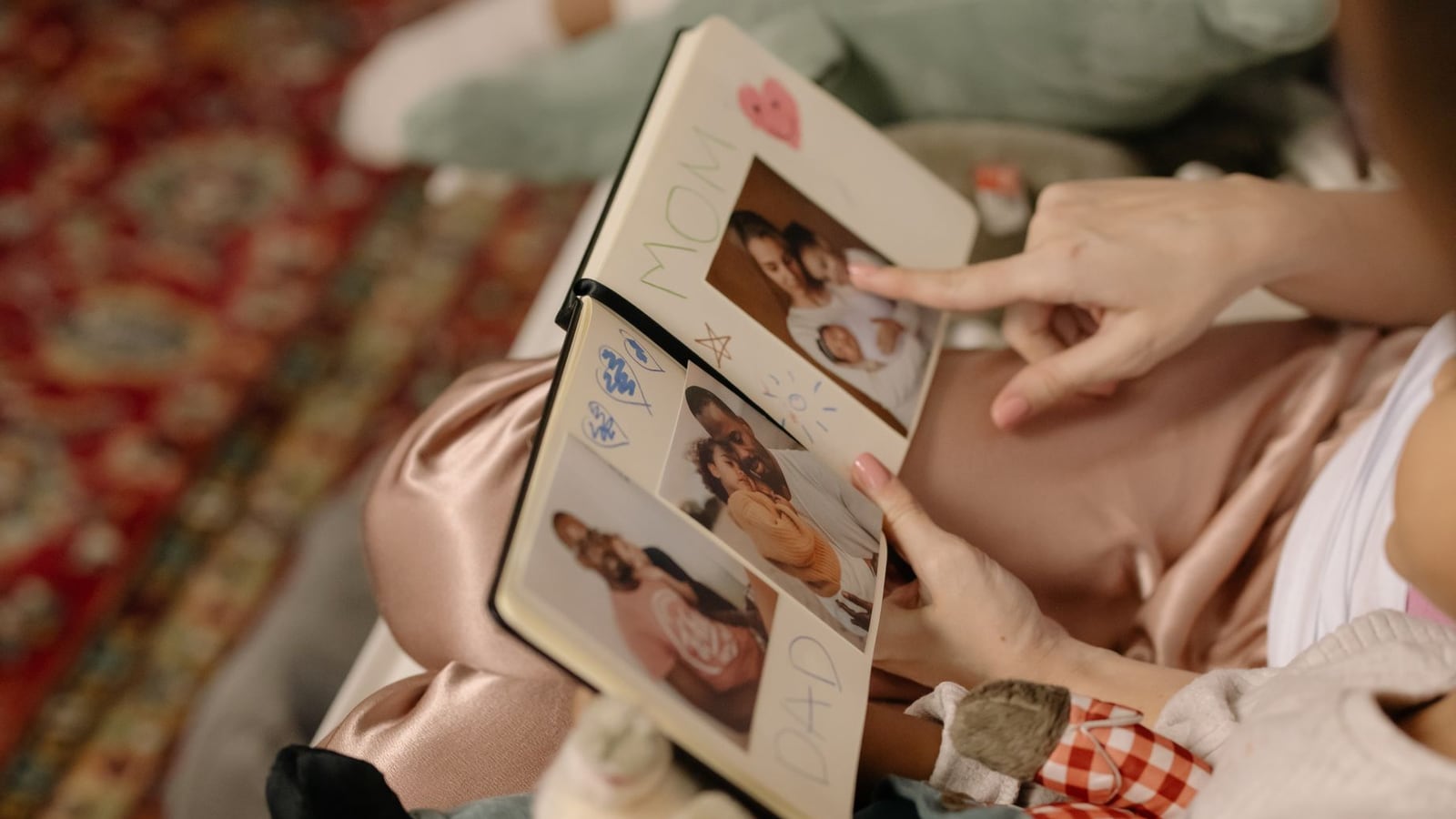
The design of a family album begins with selection. Often, families possess vast quantities of images stored in shoeboxes or digital folders. The process of curation is the first step toward creating a coherent narrative. The goal is not to display every single photo, but to select the defining moments that reflect the family's identity and heritage.
Selecting Materials for Longevity
When creating an album intended to be passed down through generations, the quality of materials is the deciding factor. In our Vienna workshop, we use exclusively acid-free materials. Acid found in cheap adhesives or low-grade papers leads to yellowing and the eventual decay of photographs over the years.
We recommend the use of Japanese paper for repairs or as interleaving layers, and high-quality linen or goat leather for the binding. These materials provide a natural shield against external influences and lend the album a timeless aesthetic that aligns with the traditions of Viennese bookbinding art.
Structure and Narrative Order
A well-structured album guides the viewer through time. There are several approaches: chronological sorting, thematic organization (e.g., by family branches), or a biographical narrative. We suggest dedicating a separate chapter to each decade or major life stage.
The integration of text is crucial. Short notes regarding names, dates, and locations prevent images from losing their context in the future. Handwritten additions provide a personal touch but should be executed with archival-grade inks to prevent ink bleed-through to the reverse side of the page.
Technical Execution: Adhering and Fixing
Attaching photos is the most critical technical point. Many commercial self-adhesive albums contain glues that attack the photo emulsion over time. The safest method is using acid-free adhesive strips or special paper photo corners. These allow the photo to be secured without directly touching the image surface.
For those seeking a more flexible solution, we offer the creation of albums with integrated protective sleeves or special insert pages in our Neubau district workshop, allowing content to be exchanged without compromising the book's structural integrity.
Checklist for Album Preparation
| Step | Action | Key Consideration |
|---|---|---|
| Curation | Select & sort photos | Quality over quantity |
| Cleaning | Gently clean surfaces | No chemical cleaners |
| Labeling | Note dates and names | Use archival ink |
| Layout | Create page sketches | Leave sufficient white space |
| Binding | Choose cover material | Verify acid-free status |
Local Specifics in Vienna
Vienna has a rich tradition of private archiving. Many of our clients bring us documents and photographs from Altbau apartments that have been stored for over a century. The specific humidity and temperature fluctuations in historical buildings can significantly affect paper. We advise our clients on how to optimally store albums within Viennese living spaces to avoid mold growth or embrittlement.
The proximity to museums and archives in Vienna inspires us to translate museum standards into private bookbinding. For instance, we utilize thread sewing techniques (Fadenheftung) that guarantee maximum durability and allow the album to open completely flat.
Choosing the Right Binding
The choice between a simple linen cover and a luxury leather binding depends on the album's intended purpose. While linen offers a modern, clean look, goat leather radiates classical permanence. If you are unsure which binding technique is most suitable for your project, you can find detailed comparisons in our guide Which Binding to Choose?
Collaborating with the Workshop
Creating a family album is often a collaborative process. You may bring us your sorted materials, or we can support you with the technical implementation of the binding. We ensure that the album dimensions are exactly tailored to your photographs so that no edges need to be trimmed.
For individual consultation regarding your project, we are available at our workshop in the Spittelberg lanes. You can reach us directly via our contact page to arrange an appointment or to receive a non-binding quote for materials.